The Magic of Nathalia Bardales Tómasdóttir’s Entrepreneurial Journey

Life is a journey filled with unexpected twists and turns, and for Nathalia Bardales Tómasdóttir, the founder of “Niba” Consultancy Firm, it’s been nothing short of magical. From her roots in Ecuador to her current role as a successful entrepreneur in Iceland, Nathalia’s story is a testament to the power of resilience and determination. Nathalia’s journey began with a bold move to Denmark in pursuit of her dreams. Working alongside innovative companies at Memorix, Nathalia honed her skills and embraced the challenges of entrepreneurship with open arms. Today, Nathalia’s consultancy firm helps brands reach new heights of success, while her passion for personal growth and development shines through in everything she does. From her thoughtfully crafted brand book to her inspiring podcast episodes, Nathalia’s story is a beacon of hope for aspiring entrepreneurs everywhere. As we navigate our own journeys, let Nathalia’s story serve as a reminder that with passion, perseverance, and a little bit of magic, anything is possible. Whether we’re chasing our entrepreneurial dreams or simply seeking to embrace our true selves, Nathalia’s journey reminds us that the power to shape our destiny lies within each of us. So let’s embrace the magic of life, follow our dreams, and create a future filled with endless possibilities.
Brand Consulting Strategy Firm

Welcome to Niba a sanctuary for brands seeking to find their unique voice, elevate their image, and make an indelible impact. As your guiding partner, we cherish the individuality of each brand we serve and offer you a luxurious journey through the world of strategic brand enhancement. Strategic Brilliance At Niba, we don’t just position your brand; we elevate it to a sublime status where it naturally stands out as a beacon in the marketplace. Our specialized know-how enables us to define your brand’s exquisite uniqueness, its raison d’être that sets you head and shoulders above the rest. Inclusive Audience Engagement By embracing the full spectrum of human experiences, we tune into the heart and soul of your prospective customers. Our nuanced, empathetic approach ensures that your brand not only resonates but also creates a deep emotional connection with a diverse and inclusive audience. Elevated Storycrafting Storytelling isn’t just an art; it’s a pathway to the soul. At Niba ehf, we weave your brand’s narrative with finesse and elegance, creating an enduring tapestry that not only engages but enchants your ideal clientele. Choosing Niba is more than a decision; it’s an invitation to join an enlightened community of brands that strive for nothing short of brilliance. Let us provide you with a suite of personalized, world-class consulting services that promise not just growth, but an ascent to new heights of brand accomplishment. Welcome to the Niba ehf experience a journey both transformative and illuminating.
Med-Tech
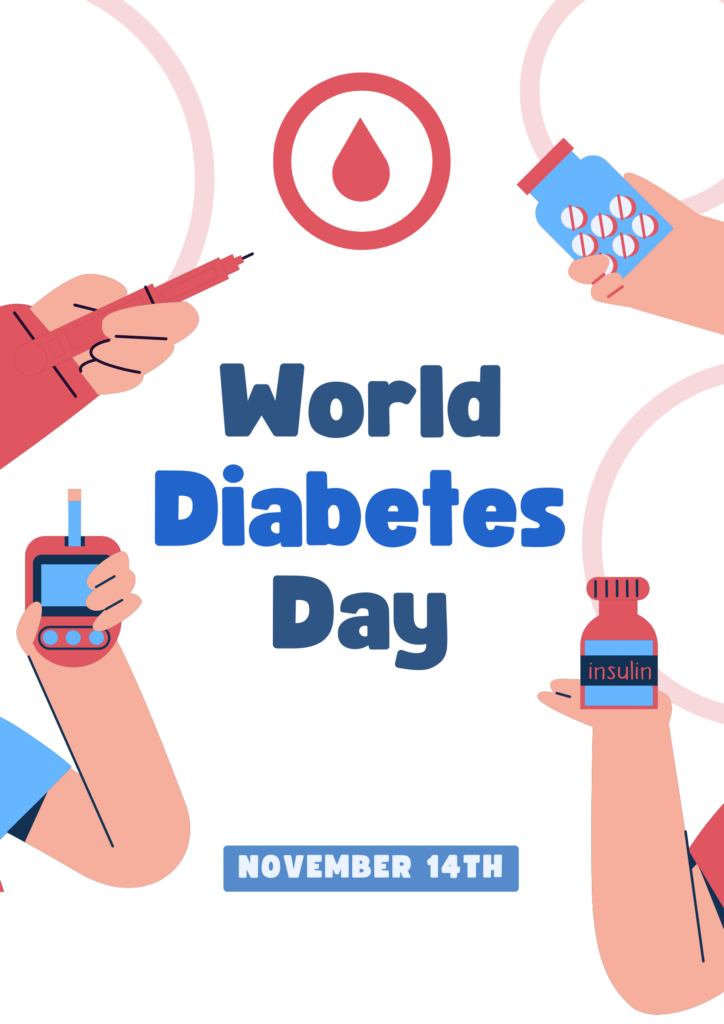
Medical technology, also known as med-tech or health technology, is the use of technology to diagnose, treat, and prevent diseases and medical conditions. It encompasses a wide range of devices, equipment, and software, including: The use of med-tech has revolutionized healthcare in many ways, making diagnosis and treatment more efficient, accurate, and cost-effective. Med-tech has also enabled patients to take a more active role in managing their own health, by providing them with access to real-time data and personalized health information. However, the use of med-tech also comes with some challenges and risks, including the potential for equipment malfunction or user error, and concerns around data privacy and security. As a med-tech content creator, it’s important to be aware of these issues and to provide accurate, balanced information to your audience.
Microanimations/Microinteractions for the best UX
How is user experience improved via micro-animations and interactions? Static interfaces have grown old and are now part of the past. There is an increasing demand for great experiences. Micro-interactions have not always existed but now they not only exist but are necessary to provide great User eXperience. It is time to get the conversation moving about micro-animations and explain how micro-animations/micro-interactions can enhance the user experience and make it great. A little bit of history According to Milber Ferreira “animation is nothing more than graphics in motion, is the visualization of change over a period of time”. The concept of animations is of course ancient, i.e. showing the same image with small changes in between. As an example the image below of an animal in motion as it moves from image one to image five. This is what we recognize today as animations. Milber Ferreira also mentions in his article The History of Web Animation that web animations appeared very early in the development of the world wide web. Here is a little history on how the web interfaces transitioned from static to dynamic. In the article, Ferreira mentions that in “1987, CompuServe introduced the Graphics Interchange Format, better known by its acronym GIF”. Furthermore, in 1993 thanks to Tim Berners-Lee, the web became an accessible document and everyone could edit it. You can read more on the history at https://webflow.com/ix2. But the web was not popular until 1998 when blogging became popular and in 2004 web design software appeared. At a similar time, the well known Adobe Flash became popular after Adobe acquired it in 2005.https://medium.com/@milberferreira/the-history-of-web-animation-63b106c97fdf Even though Flash introduced users to the idea of rich animations on the web, it was not standardized and its use started to decline after HTML5 was introduced. “HTML5 is the latest version of Hypertext Markup Language, the code that describes web pages…which provides the structure; Cascading Style Sheets (CSS), which take care of presentation; and JavaScript, which makes things happen…HTML5 has been designed to deliver almost everything you’d want to do online ..It does everything from animation to apps..and can also be used to build incredibly complicated applications that run in your browser.” https://www.techradar.com/news/internet/web/html5-what-is-it-1047393 Now the web is not just an interface used as a blog or just a static document that exists. Rather it has become a way to pursue a task and deliver a user experience that was not possible before. Nowadays libraries like GreenSock Animation Platform or GSAP have made things even better. “The goal of the Web is to serve humanity. We build it now so that those who come to it later will be able to create things that we cannot ourselves imagine.” — Tim Berners-Lee, inventor of the World Wide Web. How it affects the user experience (UX) In order to create imaginable things there need to be two interested parties: on the one side the users and on the other side a group of people who imagine and create the product. This is exactly where user experience designers and UI developers meet, but before I explain how they work together it is very important to understand that micro- interactions require order and it is a discipline that influences the UI design and develops emotions on users that affects how they experience the product. According to Nielsen and Norman “User experience encompasses all aspects of the end-user’s interaction with the company, its services, and its products” and User experience (UX) design is the process of creating products that provide meaningful and relevant experiences to users. UX designers work really hard to give to users valuable, functional and accessible experience. Vamsi Batchu, in his essay “Micro-interactions: why, when and how to use them to improve the user experience”, mentions that the aim of micro-interaction is to be engaging, welcoming and human. He points out how the Like hand on Facebook changes from a simple static thumbs up to a thumbs up that grow while shaking. The user is guided by the behaviour of the interface. A good example is what happens after the user interacts with the hamburger menu: A menu appears listing options and if the user interacts with the X button the list disappears. The animation helps the interface be familiar to the user. Micro-interactions are the most reliable information on what is going on. Just like switching on the light triggers sound in the switch and a visual action, the light itself. This is Christopher Murphy’s idea of micro-interactions: “A well-designed user interface should respond to a user’s actions, letting them know that their actions have the desired effect. It puts their mind at ease.” Microanimations are not just to create interesting interfaces but also to add to the usability a great experience, one of the best examples are the scrolling animation on an interface. Scroll animations make a difference by avoiding clicks and create a smooth and easy to watch. Adrian Zumbrunnen article on Smart Transitions In User Experience Design, he explains that the scrolling animation fixes the issue of keeping context through content as if reading a book. Why we need micro-interactions Micro-interactions help the users use their site. They work as guidelines for users on how to use the interface without having to give the user a tour of the website or formally teach the user on how to use the product. They improve the UX by seamlessly showing the users how the site works. “For a product to offer its users a delightful experience, it must offer more than aesthetically-pleasing design and impressive animation effects” https://medium.com/capital-one-tech/bringing-delightful-micro-interaction-and-ui-animation-to-life-through-developer-designer-3c409bc326f Vamsi Batchu in his essay Micro-interactions: why, when and how to use them to improve the user experience he talks how the details in our product are key to make our product worthy of existence and Batchu listed how: micro-animations improve the website navigation and make it easier for users to interact with your website. They provide instant and relevant feedback about a completed action to a user, give tips to your users and communicate information about certain elements, like whether or not it’s interactive. This makes the user